Venue List | www.helpishere.co.uk
This Guide Changed - 31/7/2026 18:08
Clinic and Venue Directory: Find Local Providers
This directory brings together verified details for private and partner clinics across the UK so you can locate a nearby provider with confidence. Each venue entry summarises practical arrival information such as parking and public transport, the typical services offered (for example microsuction ear wax removal and basic hearing assessments), and how appointments are usually arranged. The listings are curated to help you connect with clinics that use trained clinicians and formal booking processes rather than informal or unvetted operators.
Use the directory to compare accessibility, clinician background and whether a practice can offer same-day care or requires prior booking. Where available we note step-free access, ground-floor treatment rooms and lift access. The objective is to reduce uncertainty when choosing a clinic so you can focus on clinical quality and convenience.
How to Navigate This Directory
Search by town, postcode or service to narrow the list, then open a venue page to check opening times, whether microsuction or irrigation is offered, and any waiting-room arrangements. If you need an audiologist-led assessment, look for venues that explicitly list hearing assessment or hearing test services. Confirm appointment availability using the clinic booking link or by contacting the provider, as booking methods differ between telephone, online forms and third-party systems.
Selecting the Most Suitable Local Clinic
Choosing a clinic should balance clinical competence with practical access. Look for descriptions of clinician training, such as registered audiologists or certified ear care practitioners, and clear statements about infection prevention and equipment maintenance. Practical considerations matter too: nearby parking, step-free routes and straightforward directions reduce stress on the day, and some venues provide extended hours to suit people who cannot attend during standard working times.
Check whether the service is provided privately, under NHS partnership arrangements, or a combination of both, and whether paediatric appointments are available if you need care for a child. For recurrent wax problems, ask about follow-up care and any maintenance plans. Transparency around fees and cancellation terms helps avoid surprises when you book.
Key Questions to Ask Before You Book
Before confirming an appointment, ask which primary treatment methods are used (for example microsuction rather than syringe irrigation), how long the appointment will typically take, and whether you should pause particular medications beforehand. If you have mobility needs, request details on step-free routes and wheelchair access, and check whether a private waiting area is available if that matters to you.
What to Expect at Your First Visit
On arrival you will usually be asked for a brief medical history and a current list of medications, especially if you have recent ear infections, a perforated eardrum or active ear discharge. The clinician will inspect the ear with an otoscope and, where appropriate, perform microsuction using a surgical microscope and suction probe to remove wax safely. Appointments are generally calm and carried out with ongoing patient feedback to maintain comfort and safety.
Clinics differ in how they provide documentation and follow-up: some hand out printed aftercare advice, while others send electronic summaries of the treatment and recommendations for ongoing ear care. If you require a formal audiology referral or a comprehensive hearing test, check whether that can be arranged at the same venue or if you will be referred elsewhere.
Practical Tips for Your Visit
Do not insert cotton buds or other objects into the ear before your appointment, and mention any ear pain, discharge or recent head injury. If you use hearing aids, bring them and spare batteries so the clinician can check fit after any wax removal. Allow extra travel time: some clinics are near train stations but may involve a short walk or a taxi ride from the station to the clinic entrance.
Paediatric Appointments and Considerations
When booking for a child, confirm the clinician’s experience with paediatric ear care; a calm environment and age-appropriate explanation help cooperation. Many clinics offer flexible appointment lengths for children to allow settling time and ensure the child is comfortable before any procedure.
Accessibility, Parking and Transport Details
Venue pages include information on parking, step-free access and public transport links to support people with mobility needs. Many clinics have designated disabled bays or are based on the ground floor to reduce stair use. Others indicate a wheelchair lift is available and that staff can provide assistance to the treatment room. This helps patients and carers plan their visit with less uncertainty.
If you are travelling by public transport, check each venue note for the nearest station or bus stop and whether the route includes kerb crossings or steep gradients. If you plan to use a taxi, look for guidance on recommended drop‑off points close to the entrance to avoid long walks when feeling lightheaded after a procedure.
Arranging Assistance and Support
Arrange any required assistance in advance: tell the clinic if you need a chaperone, a carer to attend with you, or help completing forms on arrival. Clinics that list accessible toilets and seating demonstrate awareness of patient needs. If you require step-free access, ask reception to confirm the accessible route at booking time, as some buildings have several entrances with different access arrangements.
Clinic Services and Areas of Expertise
Venues often specialise in particular services, for example ear wax removal by microsuction, routine hearing checks, tinnitus advice, or tailored ear care for hearing aid users. Some clinics provide specialist audiology services, workplace hearing surveillance, or collaborative care with ENT consultants. These specialisms help you choose a clinic that is equipped for the issue you need addressed.
Service descriptions also indicate whether diagnostic screening such as tympanometry or pure tone audiometry is carried out, or whether there are clear onward referral pathways for surgical assessment. If your concern goes beyond routine wax removal, select a clinic that explicitly offers diagnostic testing or rapid referral to secondary care.
When to Seek Specialist Assessment
If you have sudden hearing loss, severe ear pain, bleeding from the ear or persistent discharge, ask for an urgent assessment or a clinic that can arrange direct ENT referral. Reputable wax removal services will usually state how acute problems are escalated to avoid delays in necessary specialist care.
Follow-Up and Continuity of Care
Ask whether the clinic provides follow-up appointments and written advice on preventing wax build-up. Ongoing care is important for recurring conditions, and some clinics maintain patient records to simplify repeat visits and keep treatment consistent.
Tip on Clinical Qualifications
Look for references to registered audiologists, HCPC registration where applicable, or certified ear care practitioners; such mentions indicate formal training and professional oversight rather than informal experience alone.
Costs, Payment Options and Insurance
Listings indicate whether a clinic is private, works under NHS contract, or offers a mixed model. Private clinics often show standard fees for consultations and procedures such as microsuction, and some offer concession rates or package deals for regular patients. If you plan to use private medical insurance, check in advance whether the clinic accepts your insurer and what preauthorisation is required to avoid unexpected charges.
Many venues publish cancellation policies and the likely refund terms for prepaid bookings. If cost is a concern, ask whether an initial triage call can determine if a face-to-face appointment is necessary, which can avoid unnecessary travel and expense. Employers arranging occupational health checks should discuss business invoicing options and whether the clinic can supply a formal report suitable for occupational records.
Understanding Price Transparency
Transparent clinics publish prices for common services and explain what each appointment fee covers, for example consultation, otoscopic inspection, microsuction and post-procedure advice. Hidden fees are uncommon among reputable providers, but confirm whether there are extra charges for extended appointments, complex wax removal or after-hours visits.
Hygiene, Safety and Equipment Standards
High-standard clinics outline their approach to infection prevention, instrument sterilisation and equipment servicing. For microsuction, surgical-level suction equipment is typically used alongside disposables where appropriate, and clinicians follow manufacturer and regulatory guidance for cleaning and maintenance. This reduces cross-contamination risk and helps ensure instruments perform correctly during delicate procedures.
Venues should also confirm staff training in basic life support and describe processes for handling adverse reactions. If a clinic mentions audit, quality assurance or adherence to professional body guidance, that reflects a commitment to clinical governance. Patients benefit from asking directly about cleaning protocols and the handling of disposable consumables.
Aftercare Expectations
Aftercare advice is standard and may include instructions to avoid water entering the ear, how to spot signs of infection, and when to seek further help. Clinics that provide written or emailed aftercare information make it easier for people to follow recovery steps reliably, reducing the chance of complications and unnecessary return visits.
Booking, Cancellations and Appointment Options
Appointment styles vary: some clinics run short, focused slots for routine wax removal while others offer longer initial assessments that include a hearing screen. Online booking and telephone appointments are common, and several venues provide same-day availability for urgent wax blockage depending on clinician capacity. If you need flexibility, look for evening or weekend clinics to fit around work commitments.
Cancellation terms should be visible at the point of booking: many clinics ask for at least 24 hours notice to avoid a charge, and some operate a grace policy for unavoidable emergencies. If a home visit is required due to mobility limits, ask whether domiciliary services are offered and what additional arrangements or preparations are needed.
How to Book and Secure an Appointment
When booking, give a short medical history and note any assisted devices you use such as hearing aids. If you are unsure whether microsuction is suitable, request a pre-appointment triage so the clinician can advise whether an in-person visit is necessary or if conservative measures should be tried first. Many clinics aim to triage by phone to allocate the correct appointment type and length.
Preparing for Remote or Telephone Triage
Be ready to describe your symptoms clearly, including onset, whether the ear feels blocked, any pain and any hearing change. This helps the clinician assess urgency and recommend the most appropriate next steps.
Tip on Keeping Documentation
Make a note of your booking reference and the clinician’s name where possible; this makes future contact and any follow-up simpler and supports continuity if you need further care.
Common Patient Questions and Answers
People commonly ask whether microsuction hurts, how long the benefit lasts and whether wax returns. Microsuction is generally well tolerated since it uses gentle suction under visual control rather than forceful syringing; any discomfort is usually short lived. The length of relief depends on individual wax production and ear anatomy, but many people notice weeks to months before recurrence. Clinics can advise on maintenance routines and preventive steps to reduce build-up.
Another frequent query is whether ear drops should be used before microsuction: many clinicians advise softening drops for a short period prior to an appointment if the wax is hard, but this should be confirmed on a case-by-case basis to avoid problems if there is a suspected perforation or infection.
When to Choose Urgent Assessment
If you have sudden severe hearing loss, acute pain, facial weakness or bleeding from the ear, seek urgent medical attention or a clinic that offers immediate assessment. Routine wax problems rarely cause these symptoms, so urgent evaluation helps exclude other serious conditions and ensures timely treatment.
Workplace and Occupational Health Services
Many clinics support employers with hearing surveillance, workplace audiometry and tailored advice for staff exposed to high noise levels. Services may include baseline hearing tests, periodic monitoring and written reports suitable for occupational health records. Clinics specialising in occupational services can advise on hearing protection and employer obligations under noise at work regulations and audiometric programmes.
If contractors need proof of hearing status for specific roles, ask whether the clinic issues certification or fit-for-work declarations. Confirm that audiometric equipment is calibrated to recognised standards and that testing is performed by trained personnel so results are robust and acceptable to employers.
How Employers Can Arrange Group Screenings
Employers should contact clinics to discuss on-site testing, mobile units or bulk appointment bookings. Many clinics can design tailored packages and schedule sessions to reduce workplace disruption, with invoicing options for business customers. Confirm data protection practice in advance, for example how employee results are stored and shared, in line with UK data protection requirements.
Follow-Up for Occupational Hearing Loss
If monitoring identifies a decline in hearing, the clinic should advise on referral pathways, fitting hearing protection or onward ENT assessment where appropriate. Early action helps prevent further deterioration and supports the employer’s duty of care.
Practical Note for Employers
Ask the clinic for a test protocol summary before arranging large group screenings; this ensures the service meets your company requirements and helps employees know what to expect on the day.
Family-Friendly and Paediatric Clinics
Family-focused listings highlight clinics experienced in paediatric ear care, with staff trained to work with anxious children and to explain procedures in simple language. Child-friendly clinics often book quieter appointment times, allow a carer to be present during treatment and use distraction techniques to help a child remain calm. When booking, confirm whether the clinician specialises in paediatric microsuction and whether appointment lengths can be adjusted to allow settling time.
Some venues accept infants and toddlers for ear checks and set out safety procedures for younger patients. They also clarify whether parental consent is required on arrival and whether a child should avoid food or certain treatments beforehand. Clear pre-appointment guidance improves the experience for both child and carer.
Preparing a Child for an Ear Appointment
Explain the visit simply, bring favourite comfort items and, if possible, aim for a quiet arrival to avoid long waits. For children who wear hearing aids, bring the devices and spare batteries so the clinician can check performance after any wax removal.
Use our list to find a local clinic from a network of trusted providers:

Ashford, Tn24 — Microsuction Ear Wax Removal

Barnet, En5 — Microsuction at Health Matters
Cambridge, Cb2 — Microsuction and Ear Care

Colindale, Nw4 — Microsuction at the Laboratory Spa
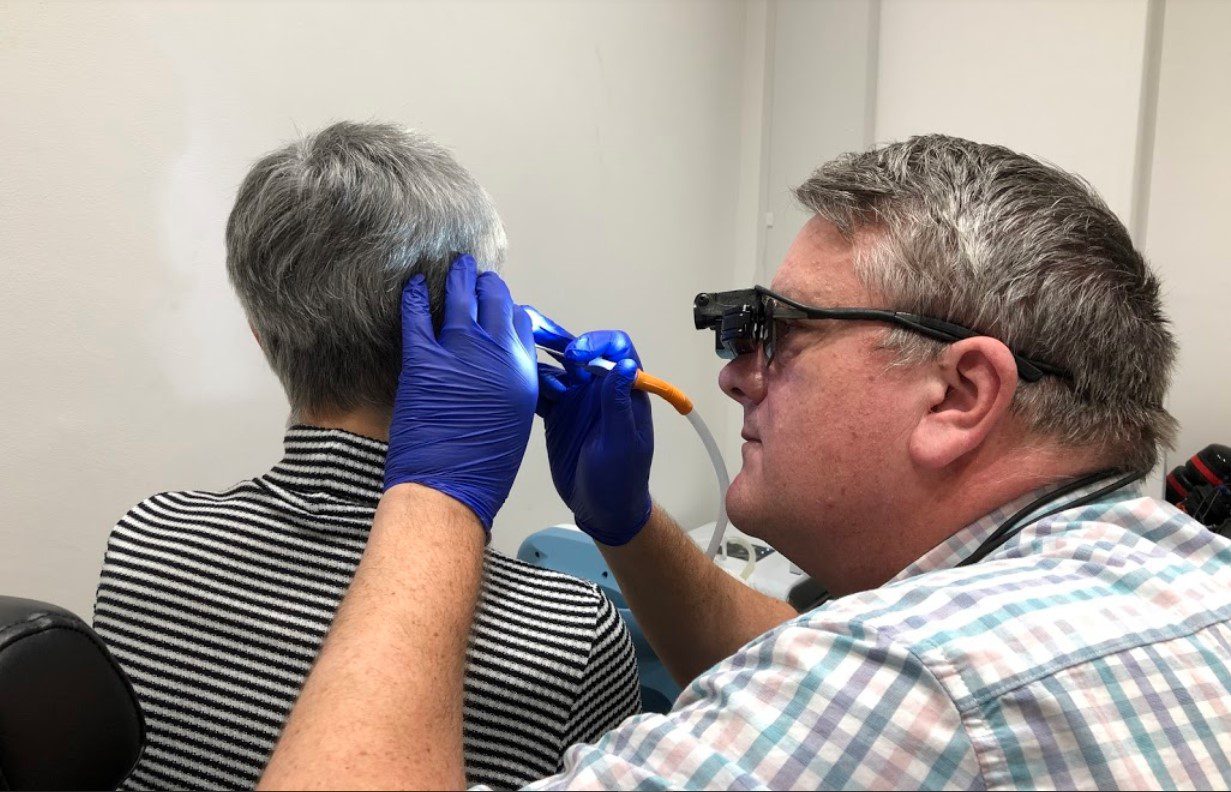
Ealing, W5 — Microsuction Near Northfields Station

East Finchley, N2 — Microsuction at Cootes Pharmacy
Edgware, Nw4 — Microsuction at the Laboratory Spa

Enfield, En1 — Willow House Surgery Microsuction
Finchley, North London — Microsuction at Cootes Pharmacy
Hastings, Tn34 — Microsuction at Station Plaza
Hendon, Nw4 — Microsuction at the Laboratory Spa
Hythe, Ct21 — Microsuction at Hythe Clinic
Kingston, Kt6 — Microsuction at Therapy Spaces
Mill Hill, Nw4 — Microsuction at the Laboratory Spa

Milton Keynes, Mk2 — Microsuction at Challenge House

Muswell Hill, N2 — Microsuction at Cootes Pharmacy

Oxford, Ox2 — Microsuction at Raleigh Park Clinic
Reading, Rg30 — Microsuction at Oxford Road Pharmacy
Surbiton, Kt6 — Microsuction at Therapy Spaces
Aftercare, Prevention and Long-Term Maintenance
Good clinics supply clear aftercare instructions after ear wax removal, including how to manage mild irritation, when to avoid swimming or submerging the ear, and which symptoms indicate you should seek further assessment. Prevention guidance typically covers avoiding cotton buds, gentle outer-ear cleansing with a cloth, and when to use softening drops safely. Regular maintenance programmes may be offered for people prone to recurrent impaction, with scheduled recalls to manage accumulation proactively.
For hearing aid users, clinicians can advise on cleaning routines and how to maintain an effective seal and comfortable fit after wax removal. Some clinics provide reduced-rate follow-up slots for routine maintenance or subscription-style options for frequent attendees, enabling continuity of care and convenience for ongoing ear health.
Red Flags to Watch After Treatment
If you develop worsening pain, fever, ongoing bleeding or a sudden change in hearing after a procedure, contact the clinic or seek urgent medical attention. Most post-procedure issues are minor and short lived, but prompt reassessment prevents complications and ensures infection is treated early if present.
How Clinics Record Aftercare
Clinics should document the procedure performed, any complications and the aftercare advice given, either as a printed summary or in an electronic record. Ask for a copy of this record for your own files if one is not provided automatically.
Micro-Guideline for Follow-Up Timing
For routine wax removal, a recall interval of four to twelve months is common depending on individual wax production; clinicians will tailor schedules to your history.
Further Detail
Patients with ongoing skin conditions affecting the ear canal or those using topical ear medications may need closer review and bespoke follow-up plans to avoid recurrent blockage or irritation from repeated procedures.